ECUYWE US-CVC-002 Chemical Vulcanizing Cement Rubber Glue 745431502517 Brush
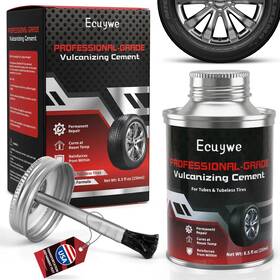
( Brand: Ecuywe ), ( Manufacturer Part Number: US-CVC-002 ), ( Part Type: Chemical Brush ), ( Color: Clear ), ( Packageheight: 71 ), ( Packagelength: 122 ), ( Packageweight: 272 ), ( UPC: 745431502517 )
Review ECUYWE Professional Chemical Vulcanizing Cement Rubber Glue Brush Clear
The **ECUYWE US-CVC-002 Chemical Vulcanizing Cement** is a high-performance, professional-grade adhesive specifically formulated for permanently bonding rubber, neoprene, EPDM, and other synthetic elastomers to metal, concrete, wood, or other compatible substrates. This advanced chemical vulcanizing cement utilizes a two-part, solvent-free system that cures through a controlled vulcanization process, creating an exceptionally durable and flexible bond capable of withstanding extreme temperatures, vibrations, and environmental exposure. Ideal for industrial, automotive, marine, and construction applications, this glue is engineered to eliminate the need for mechanical fasteners while providing superior adhesion strength often exceeding 1,000 psi in shear strength once fully cured. The formula includes a unique vulcanizing agent that chemically cross-links the rubber substrate with the adhesive, ensuring long-term resistance to peeling, cracking, or delamination, even under dynamic stress. Its fast curing time (typically 24 hours for full strength) allows for efficient assembly without prolonged downtime, while its low odor and non-toxic composition make it safer for indoor or confined-space applications compared to traditional solvent-based adhesives. The included brush applicator ensures precise, even application, minimizing waste and maximizing coverage on uneven or textured surfaces. Whether used for sealing rubber gaskets, bonding hoses to fittings, or reinforcing industrial seals, the US-CVC-002 delivers a permanent, weatherproof bond that outperforms conventional rubber cements, silicone adhesives, or even mechanical rivets in durability and reliability. For professionals demanding precision and longevity in elastomer bonding, this chemical vulcanizing cement is an indispensable tool for achieving bonds that last decades.
**Pros and Cons of buying a ECUYWE US-CVC-002 Chemical Vulcanizing Cement (Rubber Glue Brush)**
### **Pros:**1. **Strong Bonding Strength** Chemical vulcanizing cements like this one create a permanent bond between rubber and metal, rubber to rubber, or rubber to other materials. This makes it ideal for applications requiring durability, such as automotive repairs, industrial seals, or custom rubber products.
2. **Long-Lasting Adhesion** Unlike solvent-based glues, which may degrade over time, chemical vulcanizing cements form a covalent bond with rubber, resisting heat, chemicals, and mechanical stress. This ensures longevity in demanding environments.
3. **Versatility** This product is designed for multiple rubber types, including natural rubber, neoprene, nitrile, and some synthetic rubbers. It can also bond rubber to metal, fabric, or certain plastics, making it useful for a wide range of projects.
4. **Resistance to Environmental Factors** The cured bond is resistant to oil, fuel, water, and temperature fluctuations (typically within a specified range, such as -40 C to 120 C). This makes it suitable for automotive, marine, and industrial applications.
5. **Easy Application with Brush** The included brush allows for precise application, which is helpful for small or intricate repairs. This reduces waste and ensures the glue is applied where needed.
6. **No Solvent Cleanup** Unlike solvent-based adhesives, which require cleaning with solvents, chemical vulcanizing cements typically cure without leaving harmful residues, making cleanup simpler.
7. **Good for Professional and DIY Use** While it may require some skill to apply correctly, it is accessible enough for hobbyists and professionals alike, provided they follow the instructions carefully.
---
### **Cons:**1. **Longer Cure Time** Chemical vulcanizing cements often require a longer curing period (sometimes hours or even days) compared to instant adhesives. This can delay project completion if time is a constraint.
2. **Requires Proper Surface Preparation** For optimal bonding, surfaces must be clean, dry, and free of contaminants like oil, grease, or dirt. Improper preparation can lead to weak bonds or failure.
3. **Limited Flexibility After Curing** Once cured, the bond becomes rigid and may not accommodate significant flexing or movement between the bonded surfaces. This could be a drawback for applications requiring flexibility.
4. **Sensitivity to Moisture During Cure** Some chemical vulcanizing cements are sensitive to moisture during the curing process, which can weaken the bond. This requires careful handling, especially in humid conditions.
5. **Not Reversible** Unlike some adhesives that can be disassembled with heat or solvents, chemical vulcanizing cements form a permanent bond. This can be problematic if repairs or modifications are needed later.
6. **Potential for Overuse or Waste** Since the product is typically sold in small quantities (e.g., tubes or brush-on applicators), buying in bulk may not be cost-effective for large projects. Overuse can also lead to unnecessary waste.
7. **Safety Considerations** While generally safer than solvent-based glues, some chemical vulcanizing cements may contain ingredients that require proper ventilation during application. Always follow safety guidelines.
8. **Compatibility Issues** Not all rubber types or materials bond perfectly with this cement. Testing on small, inconspicuous areas first is advisable to ensure compatibility.
---
### **Conclusion:**The **ECUYWE US-CVC-002 Chemical Vulcanizing Cement** is a high-quality adhesive suited for applications requiring a **permanent, durable, and chemically resistant bond** between rubber and other materials. Its strengths lie in its **bonding strength, versatility, and resistance to environmental factors**, making it ideal for automotive repairs, industrial seals, or custom rubber projects. However, its **longer cure time, sensitivity to surface prep, and lack of flexibility** may pose challenges depending on the use case.
For **professionals or serious DIY enthusiasts** working on projects where durability is critical, this product is a strong choice. However, those needing **quick, flexible, or reversible bonds** may find alternatives like **epoxy adhesives or solvent-based rubbers** more suitable.
### **Recommendation:** - **Buy this product if:**- You need a **long-lasting, chemical-resistant bond** for rubber-to-rubber or rubber-to-metal applications.
- You are working on **automotive repairs, industrial seals, or custom rubber products** where strength and durability are priorities.
- You are willing to **invest time in proper surface preparation and curing**.
- **Consider alternatives if:**- You require **instant bonding** (e.g., for quick fixes).
- Your project involves **flexible or frequently moving parts**.
- You need **reversible bonding** (e.g., for future disassembly).
- You are working with **sensitive materials** that may not bond well with chemical vulcanizing cements.
For most **serious rubber bonding tasks**, this product is a reliable and effective choice when used correctly. Always follow the manufacturer s instructions for best results.
Details:
Compact 8.5oz bottle fits easily in your glove compartment or emergency kit. Creates a flexible, durable seal, non-corrosive and wheel-safe. Compatible with all outer tires, inner tires and tubeless on cars, motorcycle, bike, Suva, vans, light trucks. Advanced, Safe Reliable Formula That Protects Your Tires Advanced polymer sealant won't damage tire pressure monitoring systems TPMS or integrity.
Works in All Conditions Fits Most Vehicles Effective extreme temperatures 50 F to 150 F and all weather conditions. No Tools or Skills required jacking tire removal needed.
part #: uscvc002 price
- $17.92
specifications sealantadhesivee:
- brand: Ecuywe
- mpn: Us-cvc-002
- part type: Chemical Brush
- color: Clear
- packageheight: 71
- packagelength: 122
- packageweight: 272
- upc: 745431502517
returns sealantadhesivee:
- method: Money back
- paid by: Buyer
- policy: Returns Accepted
- time: 30 Days
shipping sealantadhesivee:
- class: Standard
- service: Standard
- cost: $0.00
- type: Fixed
- transit: 4-9 Days
offer sealantadhesivee:
- sold: 0
- availability: In Stock
- quantity: 3
- started: February 5, 2026
- options: Ship-to-home
general sealantadhesivee:
- condition: New
- Adhesives, Sealants Tapes > Caulks, Sealants Removers > Caulks Sealants
seller sealantadhesivee:
- # reviews: 566
- rating: 99.3%
- city: Los Angeles, California
payments sealantadhesivee:
- other
- wallet: Google-pay
- credit card: Mastercard
Ecuywe US-CVC-002 Is Similar To:
- Ecuywe Us-hrg-001 Headliner Repair Glue Car Adhesive With Brush Roof Clear (57.1% similar) Headliner repair glue, car adhesive with brush, roof clear. Headliner repair glue, car adhesive with brush, roof liner fabric adhesive, upholstery glue for cars,headliner kit, suitable automotive interiors, fabric, leather. Extreme temperature resistance the headliner glue withstands 40 c to 120 40 ...(January 10th, 2026)
- Ecuywe 745431502456 Headliner Repair Glue Car Adhesive With Brush Roof Liner Fabric (45.9% similar) Built-in brush for mess-free fast easy application the headliner repair glue comes with an integrated brush in the cap controlled, accurate application - no drips, waste, just perfect repairs every time. Non-toxic Eco-friendly formula safe for car interiors no harsh fumes, Vic-free, and child/pet-...(March 29th, 2026)