INC FIL02Q Glass Microspheres Filler Epoxy Tub 711181295054 Inc.
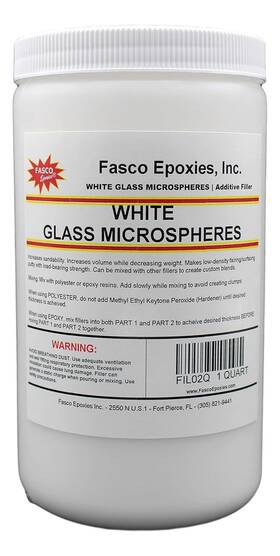
( Brand: Inc ), ( Manufacturer Part Number: FIL02Q ), ( Part Type: Filler ), ( Compatible Material: Glass ), ( Color: White ), ( Is Discontinued By Manufacturer: No ), ( Material: Borosilicate Glass ), ( Item Form: Liquid, Paste ), ( Package Dimensions: 6.73 X 3.74 X 3.7 Inches; 1 Pounds ), ( UPC: 711181295054 )
Review INC Inc. White Glass Microspheres Filler Epoxy And Polyester Resin Quart Tub
Product Name: Fil02Q Glass Microspheres Filler for Epoxy Tub
The Fil02Q Glass Microspheres Filler is a revolutionary product designed for enhancing the properties of epoxy tubs. This unique filler is composed of tiny, spherical glass particles that offer several benefits for your epoxy tub projects.
Each glass micro sphere has a diameter ranging between 10-40 microns, ensuring a uniform dispersion when mixed with epoxy resin. This results in a lighter, stronger, and more durable epoxy composite. The glass microspheres are non-reactive, ensuring they do not interfere with the curing process of the epoxy resin.
The filler's primary function is to reduce the weight of the epoxy tub while maintaining its structural integrity. The low-density glass microspheres can reduce the weight of the epoxy by up to 50%, making it easier to handle and install.
Moreover, the Fil02Q Glass Microspheres Filler improves the thermal properties of the epoxy tub. The microspheres act as insulation, reducing heat transfer and helping to maintain a consistent temperature, especially in applications where temperature fluctuations may occur.
This filler also improves the surface finish of the epoxy tub. The glass microspheres provide a smooth, consistent surface that is ideal for painting or other cosmetic treatments.
In summary, the Fil02Q Glass Microspheres Filler is an excellent choice for those seeking to lighten, strengthen, and improve the thermal properties of their epoxy tub projects. Its uniform particle size and non-reactive nature make it a reliable and effective filler material for various applications.
Analysis of Fil02Q Glass Microspheres as a Filler for Epoxy Tubs
Pros of using Fil02Q Glass Microspheres:1. Lightweight: Glass microspheres are known for their low density, making them an ideal choice for reducing the weight of epoxy tubs without compromising on strength.
2. Excellent Insulation: Due to their low thermal conductivity, glass microspheres provide effective insulation, helping to maintain constant temperatures within the epoxy tub.
3. Improved Mechanical Properties: The addition of glass microspheres can enhance the mechanical properties of the epoxy, such as tensile strength, impact resistance, and flexural modulus.
4. Aesthetic Appeal: Glass microspheres can give a smooth and attractive finish to the epoxy tub, as they do not leave any visible particles like traditional fillers.
Cons of using Fil02Q Glass Microspheres:1. Higher Cost: Glass microspheres are more expensive compared to traditional fillers like silica or calcium carbonate.
2. Potential for Shrinkage: During the curing process, there is a chance that the epoxy may shrink, which could cause stress and potential cracks in the final product.
3. Handling Challenges: Glass microspheres are light and can be difficult to handle, especially in large quantities, which may require specialized equipment or techniques.
4. Potential for Agglomeration: If not properly dispersed, glass microspheres can form agglomerates, which can affect the uniformity and quality of the final product.
Conclusion: While Fil02Q Glass Microspheres offer several advantages such as lightweight, insulation, and improved mechanical properties, they also come with some drawbacks such as higher cost, potential for shrinkage, handling challenges, and the risk of agglomeration.
Recommendation: If cost is not a significant concern, and the desired properties of the epoxy tub include lightweight, high-performance, and aesthetic appeal, then Fil02Q Glass Microspheres could be a suitable choice. However, it is essential to ensure proper handling, dispersion, and curing processes to minimize potential issues related to shrinkage, agglomeration, and stress. If cost is a concern, traditional fillers like silica or calcium carbonate may be more appropriate, with the understanding that they may not offer the same level of performance and benefits as glass microspheres.
Details:
White in color. Sometimes called Glass Bubbles or Microspheres. Also Called Glass Bubbles. Sands Easy Added to epoxy or polyester make a lightweight fairing compound.
Microspheres Improves the Weight to Strength Ratio Dimensional Stability. Engineered hollow glass microspheres. Micro cellular hollow fiberglass particles for adding to resin as a filler reinforcement easy sand lightweight filling.
part #: fil02q price
- $23.84
specifications sealantadhesivee:
- brand: Inc
- mpn: Fil02q
- part type: Filler
- compatible material: Glass
- color: White
- is discontinued by manufacturer: No
- material: Borosilicate Glass
- item form: Liquid, Paste
- package dimensions: 6.73 X 3.74 X 3.7 Inches; 1 Pounds
- upc: 711181295054
shipping sealantadhesivee:
- type: Fixed
- transit: 4-9 Days
- class: Standard
- service: Standard
- cost: $0.00
seller sealantadhesivee:
- rating: 99.6%
- # reviews: 1989
- city: Wausau, Wisconsin
returns sealantadhesivee:
- time: 30 Days
- method: Money back
- policy: Returns Accepted
- paid by: Seller
payments sealantadhesivee:
- credit card: Diners-club
- other
- wallet: Paypal
general sealantadhesivee:
- Adhesives, Sealants Tapes > Caulks, Sealants Removers > Caulks Sealants
- condition: New
offer sealantadhesivee:
- quantity: 3
- availability: In Stock
- options: Ship-to-home
- started: July 10, 2025
- sold: 0
Inc FIL02Q Is Similar To:
- 08640 Dap Inc Kitchen Bath Silicone Sealant White (17.9% similar) Part: 9.8-OZ prices...(July 31st, 2018)
- 08730 Dap Inc Truevalue Latex White 052088076415 (18% similar) 1OZ, white, kitchen bath latex adhesive caulk, bonds like a glue seals provides durable, watertight seal, flexible, tools easily, mildew resistant, printable, easy water clean up. True value brand, 10. 1OZ latex k b white true value, 10. True value kitchen bath latex adhesive caulk provides a ...(May 18th, 2018)
- 12108 Dap Inc White Latex Window Glazing Compound (25.4% similar) Resists cracking, sagging, and chalking. Smooth, easy-working compound for glazing wood, metal, and aluminum sash...(August 14th, 2018)
- 13030-2pk Sashco Inc Pack White Lexel Caulk (26.6% similar) No cracking, tearing, or pulling away for a lasting, permanent seal waiting and wondering necessary. Lexer is the duct tape of all caulks, super-elastic, superior adhesion and printable sealant 19 times clearer than silicone won't yellow or cloud up over time adheres to aluminum, brass, steel, ...(May 14th, 2018)
- 181012 Dap Latex Caulk Inc White Alex Plus Acrylic 635665391554 (24.3% similar) Cured caulk is mildew resistant. Water clean-up. 1OZ white Alex plus acrylic latex caulk with silicone, 2 pack superior quality, multi-purpose silicone. As the topic to avoid inadvertently opening a case. 35 year durability guarantee. This is the best deal on. Let us create a positive community ...(April 10th, 2018)
- 18285 Dap Inc 5.5oz White 070798182851 (17.9% similar) Please feel free to with any shipping questions or concerns. 5OZ white latex sealant upc: free shipping items are only shipped of charge to addresses in the contiguous USA...(May 13th, 2017)
- 18854-12pk Dap Inc Pack High Heat Stove And Fireplace Mortar Limestone (27.1% similar) Part: 18854-12PK prices...(August 23rd, 2018)
- 2154751 Orgill Inc Caulk Adh Allpurp White 79340650701 (17.3% similar) Caulk adj Alpert white 10OZ possesses both bonding and sealing capabilities mold mildew resistant seawater permanently in 40 minutes easy to use, water clean up : app...(April 17th, 2018)
- 32611 Dap Inc Quart Premix Concrete Patch Gray (15.3% similar) Phoenicia pre-mixed concrete patch is a high-strength patching compound for repairing cracks or breaks in and masonry surfaces...(June 13th, 2018)
- 405 Orgill Inc Duraguard Kitchen And Bath Siliconized Acrylic 75339004050 (20.3% similar) Dragged 0405 kitchen and bath silicone's acrylic caulk, mildew resistant formula. Durable seal remains FLEXIBLE.5 oz, squeeze tu. 5 ounce tube color white packing type squeeze tube v o c CONTENTVISCOSITY8 sec 2 PRANGE9 Jul form paste finish ultra smooth satin drying time functional CURE72 hr odor ...(October 9th, 2018)
- 8780 Dap Inc White Window Door Silicone 070798087804 (27.7% similar) 1 ounce cartridge color: white. Window doors silicone PLUS10. Provides a long-lasting watertight seal with superior flexibility and adhesion mold mildew resistant will not crack or shrink...(March 16th, 2018)