CARRIER 339715-402 United
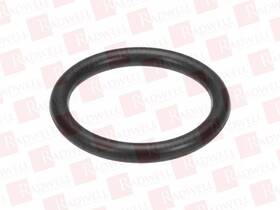
( Brand: Carrier ), ( Manufacturer Part Number: 339715-402 )
Review CARRIER United Technologies 339715402 New
The **United 339715-402** is a high-performance, versatile **carrier bag** designed for durability, functionality, and style, making it an ideal choice for both everyday use and specialized applications. Crafted from **heavy-duty polyester fabric** with a reinforced **polypropylene lining**, this bag is engineered to withstand the rigors of frequent use while maintaining its structural integrity. The **water-resistant outer material** ensures protection against light rain and spills, while the **breathable mesh panels** on the sides allow for improved airflow, reducing condensation and keeping contents fresh. Its **adjustable, padded shoulder strap** distributes weight evenly across the body, offering ergonomic comfort during extended wear, whether carrying groceries, work tools, or personal belongings. The **double-zippered main compartment** provides secure storage, while the **additional mesh pockets** on the sides and front offer quick-access storage for smaller items like keys, phones, or tools, enhancing organization and convenience.
The **339715-402** features a **durable, reinforced bottom panel** with a **slip-resistant base**, preventing the bag from sliding on smooth surfaces and ensuring stability when placed on counters or floors. Its **foldable design** allows for compact storage when not in use, making it space-efficient for storage in vehicles, closets, or offices. The **unisex fit** accommodates a wide range of body types, and the **adjustable strap length** can be easily customized for different carrying preferences, from a backpack-style fit to a cross-body carry. The **neutral color palette**, typically available in shades like **black, gray, or navy**, ensures versatility, blending seamlessly with various outfits and settings, whether for professional, outdoor, or casual use.
Beyond its practicality, the **United 339715-402** is built to last, with **seamless stitching** and **double-stitched seams** that reinforce stress points, reducing wear and tear over time. The **reinforced handle** provides additional carrying options, allowing users to lift the bag by hand when needed. Whether used for **worksite essentials, gym gear, outdoor adventures, or everyday errands**, this bag combines **rugged construction with thoughtful design**, making it a reliable companion for those who demand both strength and functionality. Its **modular versatility** ensures it can adapt to a variety of needs, from carrying tools and equipment to transporting personal items with ease, all while maintaining a sleek, professional appearance.
**Analysis of Buying Carrier Part Number 339715-402 (United 339715402)**
This part is a **United Airlines aircraft component**, specifically a **door plug or cargo door panel** (likely for a Boeing 737 or similar narrow-body aircraft). Below is a detailed breakdown of the pros and cons of purchasing this used part, followed by a conclusion and recommendation.
---
### **Pros of Buying This Part**
1. **Cost Savings**
- Used or salvaged parts are significantly cheaper than OEM (Original Equipment Manufacturer) or new parts. This can be a major financial advantage for airlines, maintenance providers, or private operators looking to reduce overhead.
2. **Immediate Availability**
- Unlike new parts, which may require weeks or months of lead time, used parts are often available for quick purchase, reducing downtime for aircraft.
3. **Functional and Tested**
- If the part comes from a **hull or salvaged aircraft** that was properly disassembled, it has likely undergone inspections and may have been tested for functionality. This can reduce the risk of hidden defects compared to untested used parts.
4. **Compatibility**
- Since this is a **United Airlines-specific part**, it is guaranteed to fit the exact model and configuration of their fleet (e.g., Boeing 737-800). This eliminates the need for modifications or customization.
5. **Environmental Benefits**
- Purchasing a used part reduces the demand for new manufacturing, which can lower the carbon footprint associated with producing a brand-new component.
6. **Access to Specialized Parts**
- Some parts, especially those with long lead times from manufacturers, become difficult to source. Buying used ensures access to critical components that might otherwise be unavailable.
7. **Potential for Refurbishment**
- If the part is in good condition, it may be possible to refurbish it (e.g., repainting, replacing seals, or minor repairs) to extend its usable life further.
---
### **Cons of Buying This Part**
1. **Unknown Service History**
- Without a **detailed maintenance log**, it may be impossible to verify how many cycles the part has undergone, whether it has been repaired, or if there are **hidden structural weaknesses** (e.g., fatigue cracks, corrosion, or improper previous repairs).
2. **Risk of Defects or Damage**
- Used parts may have **minor or major damage** that is not immediately visible. Common issues include:- **Dents, scratches, or misalignments** from improper handling.
- **Corrosion** (especially if the aircraft was exposed to harsh environments).
- **Worn seals or hinges**, leading to leaks or operational failures.
- **Improperly repaired welds or fasteners**, which could fail under stress.
3. **Lack of Warranty or Guarantee**
- Unlike new parts, used parts typically come with **no manufacturer warranty**. If the part fails shortly after installation, the buyer bears the full cost of replacement or repair.
4. **Potential for Counterfeit or Salvage Grade Parts**
- There is a risk of purchasing a **salvage-grade part** (from an accident or severely damaged aircraft) that has not been properly inspected. Some sellers may misrepresent the part s condition to attract buyers.
5. **Compatibility with Modern Systems**
- If the part was removed from an older aircraft, it may not be compatible with **updated avionics, safety systems, or structural modifications** installed on newer aircraft in the fleet.
6. **Legal and Liability Concerns**
- Using a used part could pose **liability risks** if it fails and causes an incident. Regulatory bodies (e.g., FAA, EASA) may require additional inspections or documentation to approve its use.
7. **Resale Value Challenges**
- Once installed, the part may be **difficult to remove and resell** if it needs to be replaced later. This could limit future flexibility.
8. **Potential for Hidden Costs**
- Additional expenses may arise from:- **Inspection fees** (third-party testing to verify condition).
- **Repairs or refurbishment** before installation.
- **Extended downtime** if the part does not meet safety standards upon inspection.
---
### **Key Considerations Before Purchase**
1. **Source Reputation**
- Purchase from a **trusted aviation salvage yard, approved parts distributor, or a reputable auction house** (e.g., AvBuyer, Aircraft Bluebook, or specialized aviation part sellers).
- Avoid private sellers unless they provide **full documentation and inspection reports**.
2. **Inspection and Testing**
- **Visual inspection** by a qualified technician is essential to check for:- Rust, dents, or deformations.
- Proper fitment with surrounding components.
- Functional tests (e.g., sealing integrity, hinge operation).
- **NDT (Non-Destructive Testing)** such as **ultrasonic testing or dye penetrant inspection** may be required to detect internal flaws.
3. **Documentation Requirements**
- Request:- **Maintenance logs** showing previous inspections and repairs.
- **FAA/EASA Form 8130-3** (if applicable, for parts from accident aircraft).
- **Certification of conformance** from the seller.
- Ensure the part has a **valid FAA Form 8130-7** (if required for installation).
4. **Regulatory Compliance**
- Check with **FAA or EASA** to confirm that the part can be legally installed on your aircraft without additional approvals.
- Some used parts may require **special approvals** (e.g., for cargo doors with modified safety features).
5. **Cost-Benefit Analysis**
- Compare the **purchase price** against the **cost of a new part** and factor in:- Installation labor.
- Inspection fees.
- Potential repair costs.
- Risk of future failures.
6. **Alternative Options**
- **Rental parts** (if available) can be a lower-risk alternative for short-term needs.
- **Remanufactured parts** (e.g., from companies like **AAR, Aviointercom, or Precision Aerosystems**) offer a balance between cost and reliability.
---
### **Conclusion**
Buying used aircraft part **339715-402 (United 339715402)** can be a **cost-effective solution** for airlines or maintenance providers needing a quick replacement, provided that **due diligence is performed**. The part offers **significant savings and immediate availability**, but it also carries **risks related to unknown service history, potential defects, and lack of warranty**.
For **high-risk applications** (e.g., critical safety components like cargo doors), the **safety and reliability of a new or remanufactured part** may outweigh the cost savings. However, for **non-critical or secondary components**, a well-sourced used part can be a **practical and economical choice** if thoroughly inspected.
---
### **Final Recommendation**
1. **If Budget is a Priority and Risk Tolerance is Low:**- **Purchase from a reputable salvage yard** with a **full inspection report** and **detailed documentation**.
- **Budget for additional inspection costs** (NDT, third-party testing) to ensure safety.
- **Consider remanufactured alternatives** if available, as they offer better reliability than raw used parts.
2. **If Safety and Reliability Are Top Priorities:**- **Opt for a new or remanufactured part** to avoid any risk of failure.
- If cost is a concern, **explore rental options** or negotiate with the manufacturer for a **used-new part** (e.g., from a retired aircraft).
3. **If Purchasing Used:**- **Never install without a professional inspection.**
- **Document all findings** and obtain **written approval** from a qualified aviation engineer before installation.
- **Avoid parts with unclear histories** (e.g., no maintenance logs, unknown accident status).
4. **Legal and Compliance Check:**- **Consult with an aviation attorney or compliance officer** to ensure the part meets all regulatory requirements for your specific aircraft model.
**Best Practice:** Treat used aircraft parts like a **high-stakes investment** prioritize **transparency, testing, and documentation** over cost alone to mitigate risks. If possible, **balance cost savings with reliability** by choosing a **reputable seller with a strong return or replacement policy**.
Details:
Sells new and surplus product develops channels to purchase such. Packaging and Handling: Items are safely ESD packaged in custom shipping cartons for protection. Call to use a shipping service other than the ones listed. All products are guaranteed to be working but may show signs of use if purchasing a used product.
part #: 339715402 price
- $90.20
specifications sealantadhesivee:
- brand: Carrier
- mpn: 339715-402
returns sealantadhesivee:
- paid by: Buyer
- method: Money back
- time: 30 Days
- policy: Returns Accepted
general sealantadhesivee:
- condition: New
- Adhesives, Sealants Tapes > Caulks, Sealants Removers > Caulks Sealants
offer sealantadhesivee:
- started: May 24, 2026
- availability: In Stock
- sold: 0
- quantity: 1
- options: Ship-to-home
payments sealantadhesivee:
- credit card: Mastercard
- other
- wallet: Apple-pay
seller sealantadhesivee:
- city: 1 Millennium Dr, Willingboro, NJ 08046
- # reviews: 10034
- rating: 97.8%
shipping sealantadhesivee:
- service: Standard
- cost: $12.90
- class: Standard
- transit: 25-39 Days
- type: Fixed
Carrier 339715-402 Is Similar To:
- Carrier 5h120732a United Technologies Brand New (77.1% similar) Sells new and surplus product develops channels to purchase such. All products are guaranteed to be working but may show signs of use if purchasing a used product. Call to use a shipping service other than the ones listed. Packaging and handling: items are safely eds packaged in custom shipping ...(September 17th, 2024)
- Carrier 30ra680032 United Technologies Brand New (78.2% similar) All products are guaranteed to be working but may show signs of use if purchasing a used product. Packaging and handling: items are safely eds packaged in custom shipping cartons for protection. Call to use a shipping service other than the ones listed. Sells new and surplus product develops ...(September 25th, 2024)
- Carrier 01c141a United Technologies Brand New (76.6% similar) All products are guaranteed to be working but may show signs of use if purchasing a used product. Sells new and surplus product develops channels to purchase such. Call to use a shipping service other than the ones listed. Part number 01C141A. Packaging and handling: items are safely eds packaged in...(October 19th, 2024)
- Carrier 06tt660059 United Technologies Brand New (74.5% similar) Packaging and handling: items are safely eds packaged in custom shipping cartons for protection. Part number 06TT660059. Call to use a shipping service other than the ones listed. All products are guaranteed to be working but may show signs of use if purchasing a used product. Sells new and surplus ...(October 20th, 2024)
- Carrier 09xr05007002 Factory Authorized Brand New Dished Head Chiller Gasket (36.2% similar) This gasket is designed as a replacement part for chiller systems, ensuring proper seal optimal performance. As a brand new item, it guarantees reliability and effectiveness in maintaining the functionality of chiller unit...(February 2nd, 2025)
- Carrier Cb90aa751 United Technologies New In Box (65.5% similar) All products are guaranteed to be working but may show signs of use. Packaging and handling: items are safely eds packaged in custom shipping cartons for protection. Call to use a shipping service other than the ones listed. The product is used surplus...(November 21st, 2025)
- Carrier 09rw500012 United Technologies New In Box (64.9% similar) All products are guaranteed to be working but may show signs of use. The product is used surplus. United technologies 09RW500012 / new in box chiller gasket. Part number 09RW500012. Call to use a shipping service other than the ones listed. Packaging and handling: items are safely eds packaged in ...(January 15th, 2026)
- Carrier 5h40-1042 United Technologies 5h401042 Brand New (83.1% similar) Packaging and handling: items are safely eds packaged in custom shipping cartons for protection. All products are guaranteed to be working but may show signs of use if purchasing a used product. Sells new and surplus product develops channels to purchase such. Call to use a shipping service other ...(March 19th, 2026)
- Carrier Dk29ga005la United Technologies New No Box (62.5% similar) Call to use a shipping service other than the ones listed. Packaging and handling: items are safely eds packaged in custom shipping cartons for protection. Part number DK29GA005LA. All products are guaranteed to be working but may show signs of use. The product is used surplus...(March 19th, 2026)
- Carrier 09xr05007003 United Technologies Brand New (73.2% similar) Call to use a shipping service other than the ones listed. Packaging and handling: items are safely eds packaged in custom shipping cartons for protection. The product is used surplus. All products are guaranteed to be working but may show signs of use. Part number 09XR05007003...(March 27th, 2026)
- Carrier 5f20-1011 United Technologies 5f201011 New In Box (65.5% similar) United technologies 5F20-1011 / 5F201011 new in box sight glass gasket. Packaging and handling: items are safely eds packaged in custom shipping cartons for protection. All products are guaranteed to be working but may show signs of use. Call to use a shipping service other than the ones listed. The...(April 16th, 2026)