METZGER MCGUIRE 2311590 Polyurea Joint Filler Ryno
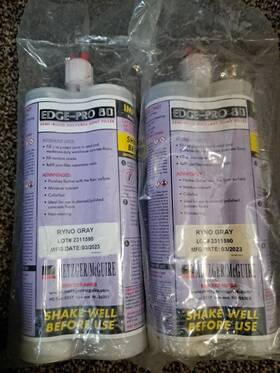
( Brand: Metzger Mcguire ), ( Manufacturer Part Number: 2311590 ), ( Type: Polyurea Joint Filler )
Review METZGER MCGUIRE Polyurea Joint Filler Ryno Gray
The **Metzger McGuire 2311590 Polyurea Joint Filler (Ryno)** is a high-performance, two-component, elastomeric joint filler designed to provide superior sealing, durability, and flexibility for a wide range of construction and industrial applications. Formulated with advanced polyurea technology, this product delivers an exceptionally tough, abrasion-resistant, and weatherproof seal that withstands extreme environmental conditions, including temperature fluctuations, UV exposure, and mechanical stress. Ideal for filling and sealing expansion joints, control joints, and structural gaps in concrete, asphalt, metal, and other substrates, the Ryno Polyurea Joint Filler ensures long-lasting protection against water intrusion, debris, and corrosion, thereby extending the lifespan of critical infrastructure. Its fast cure time typically achieving full adhesion within minutes minimizes downtime and allows for rapid return to service, making it a preferred choice for contractors and engineers working on highways, bridges, parking structures, and commercial buildings. The product s high tensile strength and elasticity accommodate significant movement and vibration without cracking or degrading, ensuring a reliable barrier against moisture and contaminants. Additionally, the Ryno system is easy to apply with standard tools, offering excellent adhesion to clean, dry surfaces and a smooth, seamless finish that enhances both functionality and aesthetics. Whether used in new construction or repair projects, this premium joint filler exemplifies Metzger McGuire s commitment to innovation and performance, delivering a robust, low-maintenance solution for demanding applications.
The **Metzger McGuire 2311590 Polyurea Joint Filler (Ryno)** is a high-performance product designed for sealing and filling joints in various construction and industrial applications, particularly in roofing, flooring, and structural systems. Below is a detailed breakdown of its pros and cons, followed by a conclusion and recommendation.
---
### **Pros of the Metzger McGuire 2311590 Polyurea Joint Filler (Ryno)**
1. **Exceptional Durability and Longevity**
Polyurea is known for its robust performance in harsh environments. This product is resistant to UV radiation, ozone, and extreme temperatures, making it ideal for outdoor applications where traditional sealants would degrade quickly. It can withstand temperature fluctuations from -40 F to 300 F (-40 C to 149 C), ensuring long-term reliability.
2. **High Adhesion and Bond Strength**
Polyurea adheres strongly to a wide range of substrates, including concrete, metal, wood, and existing coatings. This eliminates the need for extensive surface preparation in many cases, saving time and labor costs. The bond is also flexible, which helps prevent cracking or delamination over time.
3. **Fast Curing and Workability**
Unlike traditional sealants or elastomeric coatings that require days to cure, polyurea can cure in minutes to hours, depending on the application. This allows for quicker project completion and reduced downtime. The material remains workable for a sufficient period, making it easier to apply and shape during installation.
4. **Waterproof and Moisture-Resistant**
Polyurea forms a seamless, waterproof barrier that prevents water intrusion, making it ideal for applications such as roofing, waterproofing membranes, and joint sealing in wet environments. It is also resistant to moisture vapor transmission, which helps prevent blistering or peeling.
5. **Chemical and Abrasion Resistance**
The product is resistant to most chemicals, including oils, fuels, and solvents, as well as abrasion and impact. This makes it suitable for industrial floors, vehicle wash bays, and other high-traffic or chemically exposed areas where durability is critical.
6. **Seamless and Aesthetic Finish**
Polyurea can be applied in a thin layer, creating a smooth and seamless finish that is visually appealing. It is available in various colors, including clear or tinted options, which can match or complement the surrounding surfaces.
7. **Low Maintenance**
Once fully cured, polyurea requires minimal maintenance. Its resistance to wear and tear means it will not need frequent reapplication or repairs, reducing long-term costs.
8. **Versatile Applications**
The product is suitable for a wide range of applications, including:- Roofing and waterproofing membranes
- Joint sealing in concrete, metal, or wood structures
- Industrial flooring and coatings
- Vehicle wash bays and fueling stations
- Bridge decks and parking structures
- HVAC ductwork and mechanical systems
9. **Environmentally Friendly (Compared to Alternatives)**
Polyurea is considered more eco-friendly than some traditional sealants because it does not contain volatile organic compounds (VOCs) and emits fewer harmful fumes during application. It also has a longer lifespan, reducing the need for frequent replacements.
10. **Resistance to Microbial Growth**
Polyurea is inherently resistant to mold, mildew, and bacterial growth, which is beneficial for applications in humid or wet environments where such growth could compromise the integrity of the sealant.
---
### **Cons of the Metzger McGuire 2311590 Polyurea Joint Filler (Ryno)**
1. **High Initial Cost**
Polyurea is significantly more expensive than traditional sealants, coatings, or caulking materials. The upfront cost can be prohibitive for small-scale projects or budget-conscious contractors. However, the long-term savings from durability and reduced maintenance may offset this expense over time.
2. **Specialized Application Requirements**
Polyurea requires precise application techniques and equipment, such as high-pressure spray systems or trowels, depending on the project. Improper application can lead to poor adhesion, air entrapment, or an uneven finish. This may necessitate hiring trained professionals or investing in specialized tools, adding to the overall cost.
3. **Limited Repairability**
Once fully cured, polyurea is difficult to repair or modify. Any damage to the surface may require complete removal and reapplication of the material, which can be labor-intensive and costly.
4. **Potential for Surface Contamination**
During application, polyurea can be sensitive to contamination from dust, moisture, or chemicals on the substrate. Thorough surface preparation is essential to ensure proper adhesion, which can add time and effort to the installation process.
5. **Limited Flexibility in Thickness**
While polyurea is flexible, it is typically applied in thin layers (usually less than 1/8 inch or 3 mm per coat). For larger gaps or joints, multiple applications may be required, which can increase material costs and application time.
6. **Sensitivity to Substrate Conditions**
Polyurea performs best on clean, dry, and properly prepared surfaces. If the substrate is porous, contaminated, or not fully cured (e.g., fresh concrete), adhesion may be compromised. This requires additional steps in surface preparation, which can delay the project.
7. **Potential for Overheating During Application**
Polyurea can generate heat during the curing process, especially in thick applications. This can sometimes cause issues with adhesion or create stress in the material if not managed properly. Proper ventilation and controlled application techniques are necessary to mitigate this risk.
8. **Limited Availability of Suppliers**
Polyurea products may not be as widely available as traditional sealants, which could make sourcing materials more difficult in some regions. Contractors may need to order in advance or work with specialized suppliers.
9. **Potential for Skin and Respiratory Irritation**
While polyurea is generally safer than some other coatings due to lower VOC emissions, it can still irritate skin or respiratory systems if not handled properly. Proper personal protective equipment (PPE), such as gloves, goggles, and respirators, is recommended during application.
10. **Not Suitable for All Substrates**
While polyurea adheres well to many surfaces, it may not be ideal for porous or highly absorbent materials (e.g., untreated wood or some types of concrete) without proper priming or surface treatment. This can add complexity to the application process.
---
### **Conclusion**
The **Metzger McGuire 2311590 Polyurea Joint Filler (Ryno)** is a high-performance product that excels in durability, adhesion, and resistance to environmental stressors. Its ability to provide a seamless, waterproof, and long-lasting seal makes it an excellent choice for demanding applications such as roofing, industrial flooring, and structural joint sealing. The product s fast curing time, chemical resistance, and low maintenance requirements further enhance its appeal for professionals seeking a reliable solution.
However, the high initial cost, specialized application requirements, and sensitivity to substrate conditions can be significant drawbacks, particularly for smaller projects or contractors without experience in polyurea systems. The need for precise installation and potential difficulties in repairs or modifications also add layers of complexity.
Ultimately, the decision to use this product depends on the specific needs of the project, budget constraints, and the expertise of the applicator. For large-scale, high-traffic, or long-term applications where durability and performance are critical, the Metzger McGuire 2311590 Polyurea Joint Filler is a strong recommendation. For smaller or lower-budget projects where cost-effectiveness is a priority, traditional sealants or coatings may be more suitable.
---
### **Recommendation**
**Use the Metzger McGuire 2311590 Polyurea Joint Filler (Ryno) if:**- You are working on a project that requires long-term durability, such as roofing, industrial flooring, or waterproofing membranes.
- The application involves exposure to harsh environmental conditions, chemicals, or high traffic.
- You have access to the necessary equipment and trained personnel to apply the product correctly.
- The budget allows for the higher upfront cost, as the long-term savings will likely outweigh the initial investment.
**Avoid or consider alternatives if:**- The project is small-scale or budget-sensitive, as traditional sealants or elastomeric coatings may be more cost-effective.
- You lack experience with polyurea systems, as improper application can lead to poor results.
- The substrate is highly porous, contaminated, or difficult to prepare properly, which could compromise adhesion.
- The joint or gap is extremely large, as multiple applications may be required, increasing costs and complexity.
For best results, consult with a professional or supplier familiar with polyurea systems to ensure the product is the right fit for your specific application. Proper surface preparation, application techniques, and curing conditions are critical to achieving optimal performance.
Details:
2 new semi-rigid polyurea joint filler.
part #: 2311590 prices
- $69.50-$695.00
specifications sealantadhesivee:
- brand: Metzger Mcguire
- mpn: 2311590
- type: Polyurea Joint Filler
returns sealantadhesivee:
- method: Money back
- paid by: Buyer
- time: 14 Days
- policy: Returns Accepted
payments sealantadhesivee:
- wallet: Apple-pay
- credit card: Discover
- other
seller sealantadhesivee:
- city: Salt Lake City, Utah
- # reviews: 1610
- rating: 98.3%
general sealantadhesivee:
- condition: New
- Adhesives, Sealants Tapes > Caulks, Sealants Removers > Caulks Sealants
offer sealantadhesivee:
- availability: In Stock
- started: June 8, 2026
- sold: 0
- quantity: 5
- options: Ship-to-home
shipping sealantadhesivee:
- carrier: USPS
- service: USPS Ground Advantage
- type: Calculated
- transit: 3-7 Days
- cost: $0.00
- class: Standard